Experience the next generation of wound healing in veterinary care.
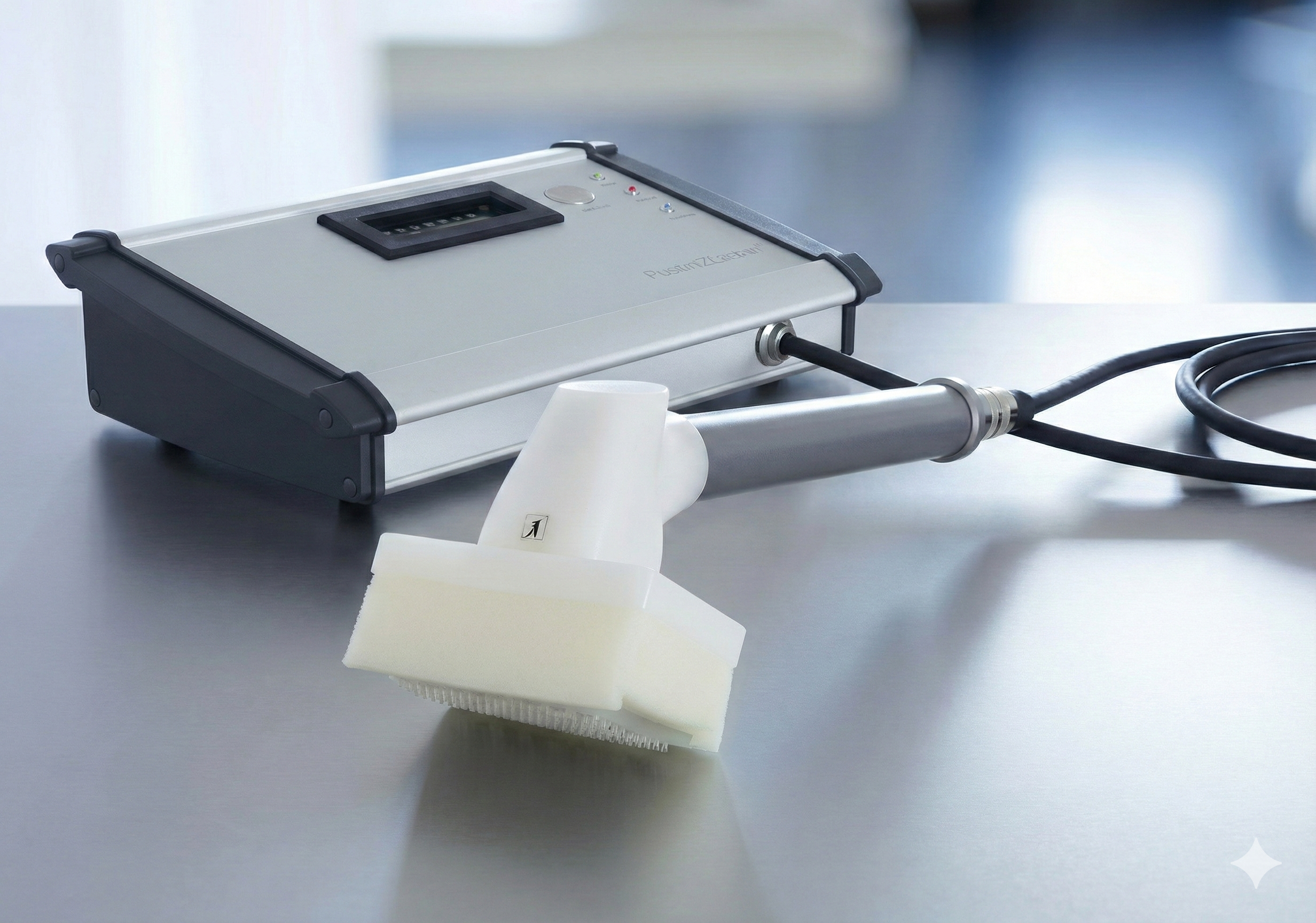
PlasmaDerm’s patented cold plasma technology brings advanced therapeutic innovation to animal health. This CE-certified medical device utilizes DBE (Dielectric Barrier Discharge) to stimulate natural healing processes deep within tissue.
Clinically proven to support the treatment of chronic wounds, infections, dermatological conditions, and pain management, PlasmaDerm offers a non-invasive, stress-free solution for modern veterinary applications.
Permits
The benefits of cold plasma for animals
Antimicrobial effect
Antimicrobial effect
Cold plasma reduces bacteria, viruses and fungi on the wound surface, including multidrug‑resistant germs, without any known development of resistance.
Promotion of wound healing
Promotion of wound healing
It improves microcirculation, oxygen supply and the wound environment and can help chronic or poorly healing wounds to heal faster.
Gentle application
Gentle application
The therapy is low‑pain or painless, usually possible without sedation, and can reduce or replace the need for antibiotics.
Especially for birds of prey
Especially for birds of prey
There are specialized cold plasma systems for animals (e.g. veterinary devices) and case reports for horses, dogs, small animals and also birds in general.
How it works!
Plasma generation & application
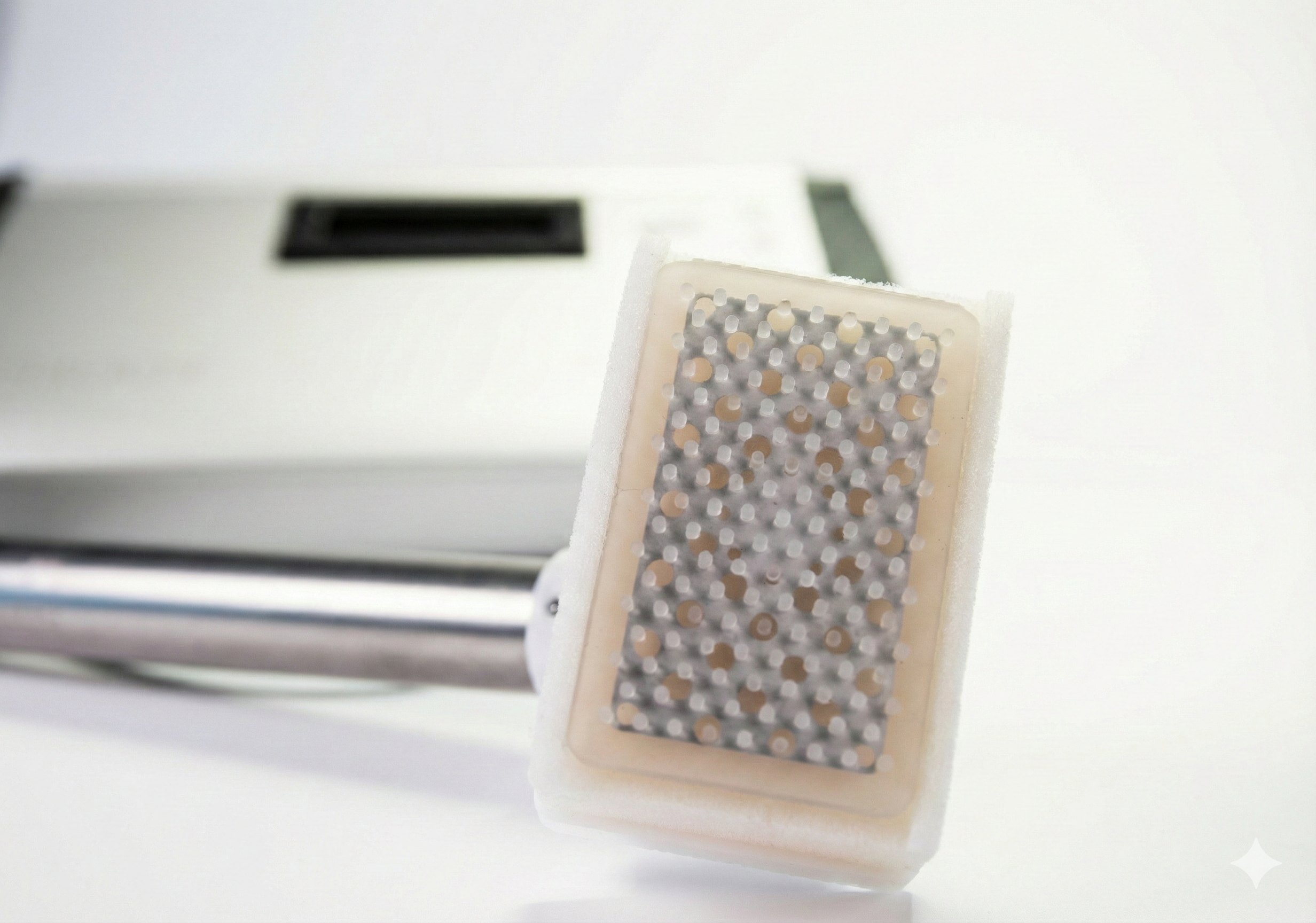
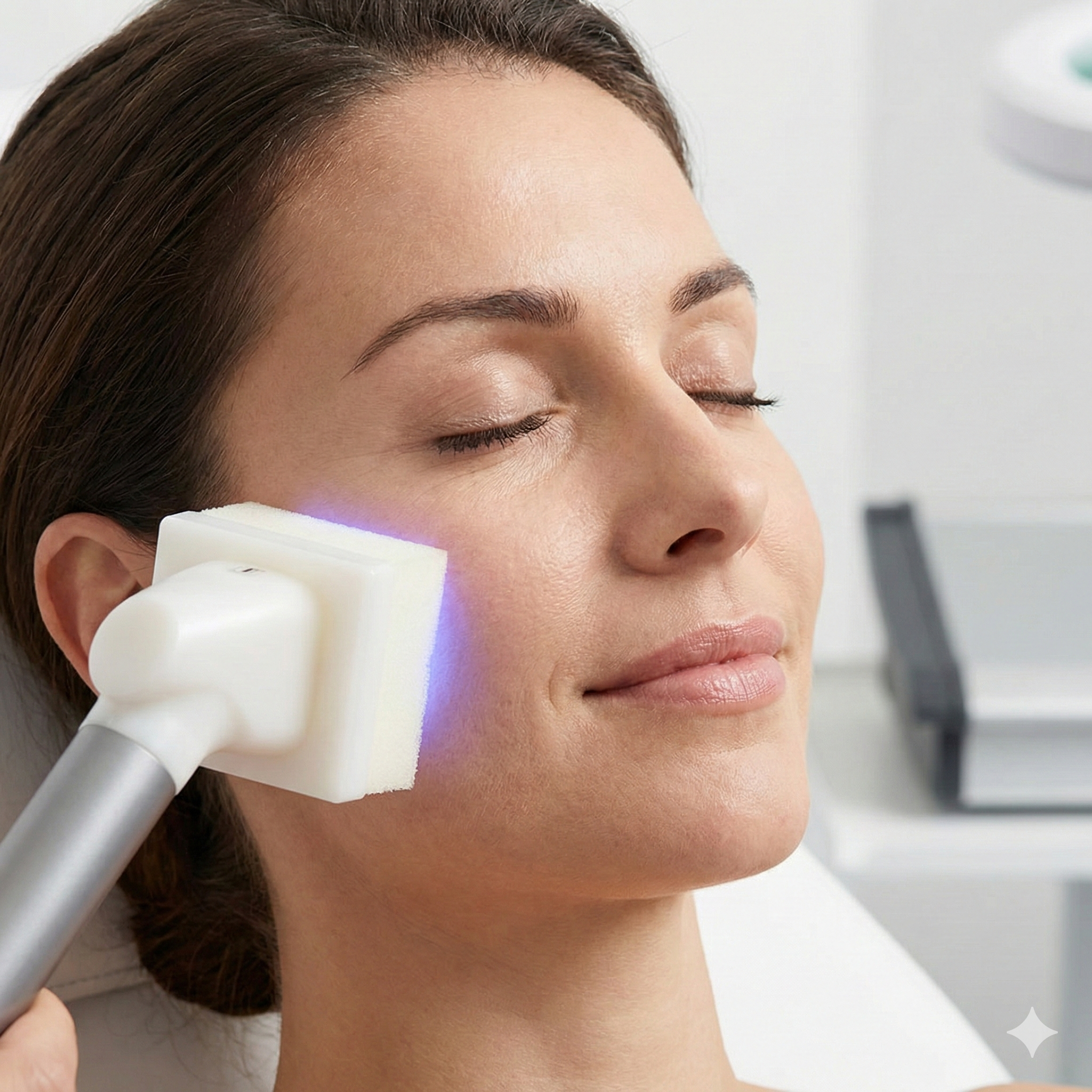
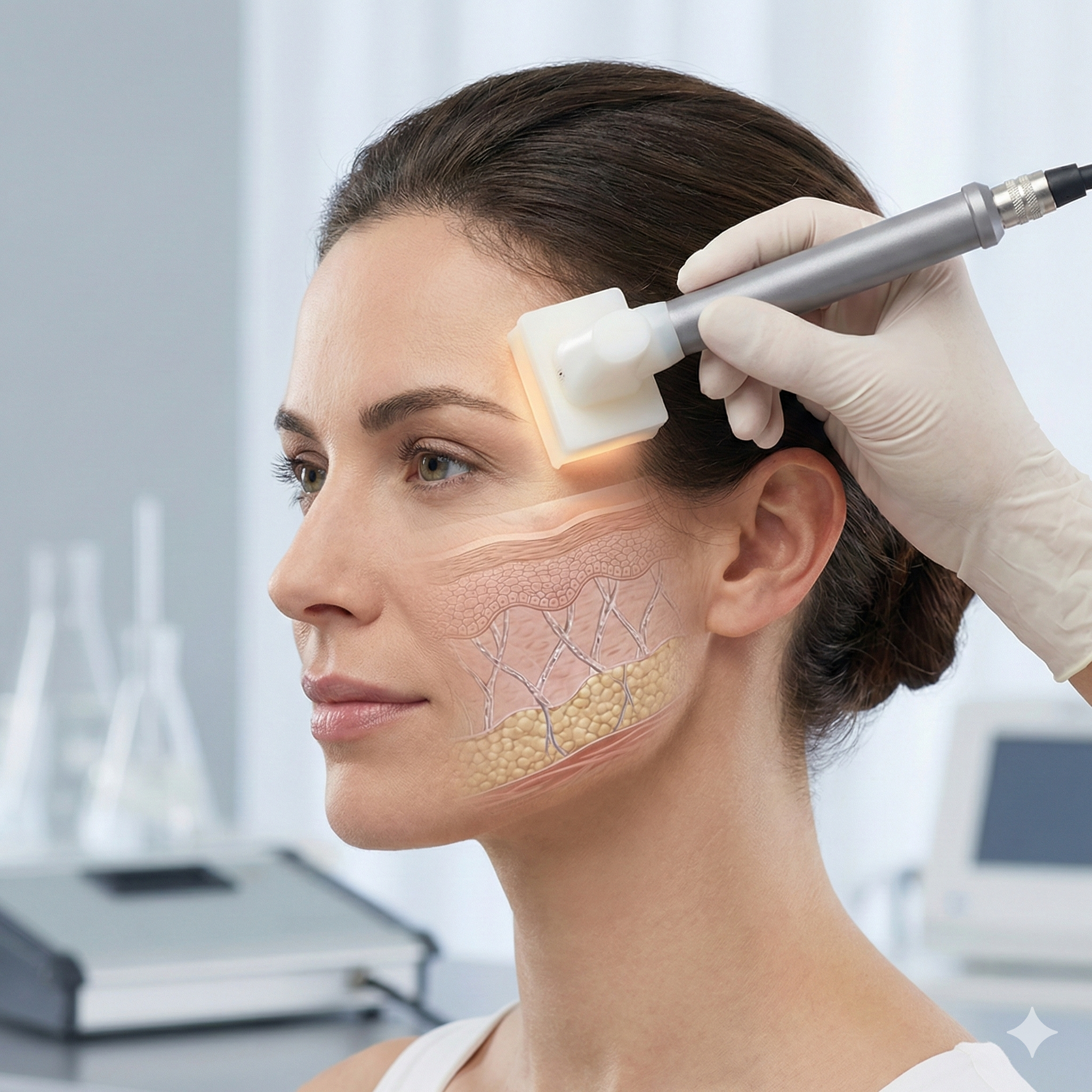
PlasmaDerm activates and generates cold atmospheric plasma using advanced DBE (Dielectric Barrier Discharge) technology. The device generates ionized gas between electrodes and forms a therapeutic plasma field that is applied directly to your cleansed skin surface. Unlike hot plasma treatments, this cold plasma remains at a comfortable temperature and ensures gentle, pain-free application without the risk of burns or thermal damage.
Deep penetration into the tissue
After application, the cold plasma does not just remain on the surface. The reactive oxygen and nitrogen species (RONS) generated by the plasma penetrate through the epidermis into the deeper layers of the skin. This unique deep action enables PlasmaDerm to reach the structural foundation of your skin, where collagen and elastin are produced, unlike topical creams that only work on the surface. The plasma components migrate through the skin layers and exert their therapeutic effect where it is most needed.
Cellular activation and stimulation
Plasma energy activates your skin's natural regeneration mechanisms at the cellular level. Fibroblasts—which are responsible for the production of collagen and elastin—are activated and stimulated to increased activity. This process also promotes cell metabolism, improves oxygen supply, and stimulates microcirculation in the skin tissue. Your skin cells are "awakened," so to speak, and begin to work more efficiently, setting off a cascade of rejuvenation processes. Plasma also helps reduce inflammation and soothe reactive skin, making it suitable for sensitive skin types.
What you can expect for your pet!
During the treatment
The bird is gently restrained or wrapped to reduce stress and keep the affected area accessible.
The wound is cleaned (e.g. flushing, disinfecting, removing debris) according to veterinary standards.
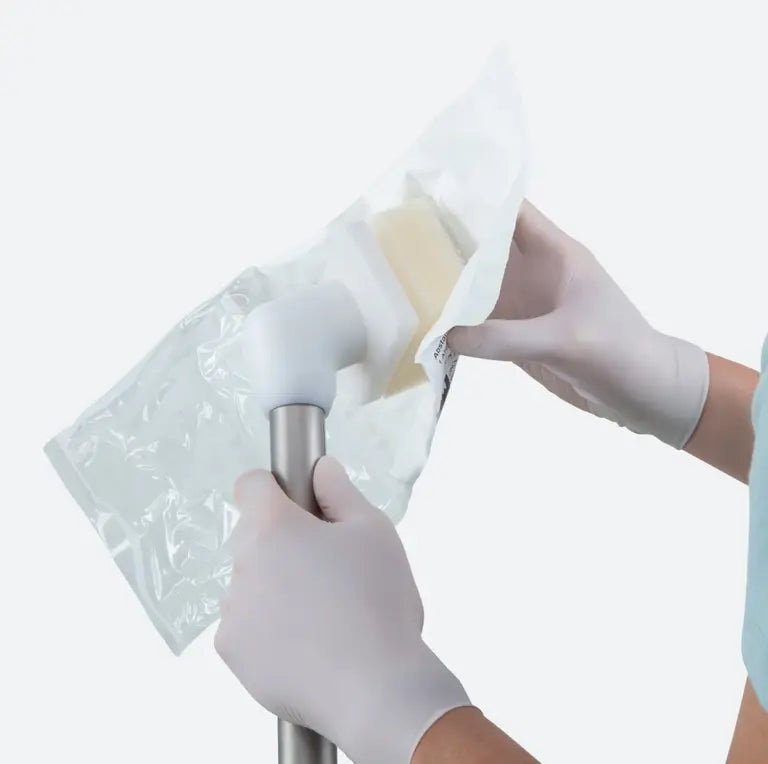
The cold plasma device is held close to the wound for a short, defined time per session.
After the treatment
The wound is inspected and, if needed, covered or bandaged according to the vet’s instructions.
The bird is monitored for stress, pain, or any abnormal reaction.
Further care (cleaning, dressings, medication) is continued as advised by the veterinarian
Result / outcome
The microbial load on the wound surface is reduced and the wound environment is improved.
Over several sessions, granulation, wound contraction and epithelialisation typically increase.
In many cases, chronic or poorly healing wounds close faster and with fewer complications.
During the treatment
The bird is gently restrained or wrapped to reduce stress and keep the affected area accessible.
The wound is cleaned (e.g. flushing, disinfecting, removing debris) according to veterinary standards.
The cold plasma device is held close to the wound for a short, defined time per session.
After the treatment
The wound is inspected and, if needed, covered or bandaged according to the vet’s instructions.
The bird is monitored for stress, pain, or any abnormal reaction.
Further care (cleaning, dressings, medication) is continued as advised by the veterinarian
Result / outcome
The microbial load on the wound surface is reduced and the wound environment is improved.
Over several sessions, granulation, wound contraction and epithelialisation typically increase.
In many cases, chronic or poorly healing wounds close faster and with fewer complications.
What pet owners say
I was skeptical at first, but after just three weeks of using PlasmaDerm at home, the fine lines around my eyes have visibly softened. My skin feels firmer and has a natural glow that I haven't seen since I was in my 30s. And the best part? It's completely painless, and I can do it while watching TV. It's worth every penny.
How exactly does cold plasma reduce bacteria, viruses and fungi on the wound surface in animals, and why is there no known development of resistance?
In what ways does cold plasma therapy improve microcirculation, oxygen supply and the wound environment to speed up healing in chronic or poorly healing wounds?
How pain‑free is cold plasma treatment for animals in practice, and to what extent can it reduce or replace the use of antibiotics?
Choosing a selection results in a full page refresh.